
Dandenong often gets a bit of a rough reputation from those who only see it through the window of a car while stuck in traffic on the Monash Freeway. To the uninitiated, it’s just another industrial hub—a place of factories, warehouses, and endless bitumen. But if you actually pull off the main road and spend some time here, you’ll find a suburb that’s arguably the most vibrant, culturally diverse, and soul-filled corner of Melbourne’s south-east.
It’s a place where you can smell charcoal-grilled kebabs on one corner and freshly ground spices on the next. It’s where old-school Australian history meets the energy of dozens of different migrant communities. If you’re looking for the “real” Melbourne, away from the polished laneways of the CBD, Dandenong is where you’ll find it.
The Heartbeat of the South East: Dandenong Market
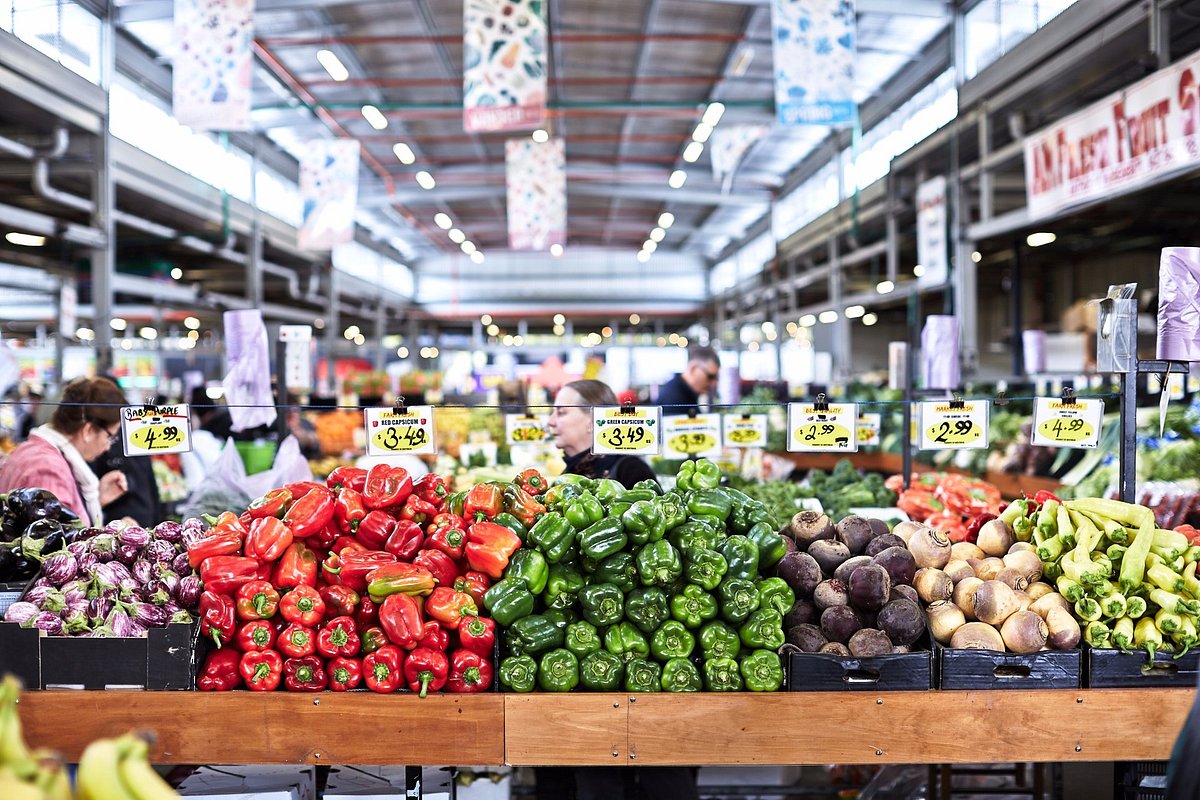
You can’t talk about this area without starting at the market. It’s been around since 1866, which is an eternity in Australian terms. While the Queen Vic Market gets all the tourist brochures, Dandenong Market is where the locals actually shop. It’s loud, it’s crowded, and it’s brilliant.
Walking through the fruit and veg section is an education in global produce. You’ll see things there that you won’t find in a standard Woolworths—bitter melons, dragon fruit the size of footballs, and more varieties of chillies than you knew existed. And then there’s the meat and fish hall, which is always a hive of activity. But the real reason people flock here is the food court and the outdoor stalls.
You haven’t truly experienced Dandenong until you’ve stood in line for a Dandee Donut. They’ve been serving them hot and fresh for decades, and there’s something about that sugar-and-cinnamon smell that just defines the market experience. But if you want something more substantial, the options are endless. You can grab a borek, some authentic curry, or even some island-style street food.
A Global Food Tour on One Street
If the market is the heartbeat, then the surrounding streets are the arteries that keep the suburb alive. Dandenong has become a destination for foodies who want authenticity over aesthetics.
Take a walk down Foster Street, and you’ll find yourself in the Afghan Bazaar. This isn’t just a collection of shops; it’s a cultural precinct. The architecture itself tells a story, with integrated street art and design that reflects Afghan heritage. The restaurants here, like the famous Afghan Gallery or Kabul West, serve up massive platters of palaw rice and skewers that are meant to be shared. The hospitality is legendary.
A few blocks over, you hit Little India on Mason Street. This is the oldest Indian precinct in Melbourne. It’s a sensory overload in the best way possible. The windows are filled with vibrant saris, glittering jewellery, and stacks of Bollywood DVDs. The smell of incense wafts out of the shops, mixing with the aroma of samosas frying. It’s the kind of place where you go to buy a bag of lentils and end up staying for a three-course meal because everything looks too good to pass up.
Culture and Quiet Corners
It’s not all hustle and bustle, though. Dandenong has some surprisingly quiet, reflective spots that get overlooked. Heritage Hill is a perfect example. It’s a historic site that features beautifully preserved gardens and two 19th-century houses, Laurel Lodge and Benga. It’s a strange feeling to step off a busy street and suddenly be surrounded by manicured lawns and old-world architecture. They often hold art exhibitions and community workshops there, making it a vital part of the local creative scene.
Then there’s the Drum Theatre. Housed in the old Dandenong Town Hall, it’s a stunning piece of architecture that blends the historic facade with a modern, state-of-the-art performance space. It’s a massive win for the local community, bringing high-quality theatre, music, and comedy to the south-east so residents don’t always have to trek into the city for a show.
For those who need a bit of green space, the Dandenong Creek Trail offers a great escape. You can walk or cycle for kilometres, following the water as it winds through the suburb. It’s a reminder that even in a heavily developed industrial area, nature still has a foothold.
Living and Working in the Hub
Because Dandenong is such a significant commercial and administrative centre, the people who live here are usually pretty flat-out. It’s a working suburb. People are commuting to the city, running small businesses, or working in the massive manufacturing sector that keeps the area’s economy humming.
When life is that busy, chores often fall by the wayside. You see it in the car parks of the market and the local shopping centres—cars that have clearly seen better days, covered in the dust of the daily grind. But in a suburb that prides itself on being a “city within a city,” you don’t have to look far for professional help.
Modern living in the south-east is all about efficiency. Whether you’re working in one of the tech hubs or just busy with family, outsourcing the hard graft to professionals like Ryan’s Mobile Car Detailing means one less thing on the weekend to-do list. It’s that kind of convenience that allows locals to spend their Saturdays actually enjoying the suburb rather than scrubbing a footwell.
Why Dandenong Matters
There’s a grit to Dandenong that you don’t find in the leafier eastern suburbs, and that’s exactly why it’s worth visiting. It’s honest. It doesn’t try to be anything other than what it is: a melting pot of cultures that have come together to build something unique.
The City of Greater Dandenong is officially the most culturally diverse locality in Australia, with residents hailing from over 150 different birthplaces. That diversity isn’t just a statistic; it’s baked into the very fabric of the streets. You see it in the signage, you hear it in the languages spoken at the bus stops, and you certainly taste it in the food.
And while the suburb is constantly evolving—with new high-rises and government buildings going up—it hasn’t lost that community feel. There’s a resilience here. Many of the people who call Dandenong home have come from halfway across the world to start a new life, and that “get on with it” attitude is infectious.
Making the Most of Your Visit
If you’re planning a trip down, don’t just stick to the main shopping centre. Park the car, get out, and walk. Start at the market in the morning, grab a coffee and a borek, and wander through the stalls. Then, take a stroll through the Afghan Bazaar for lunch.
But a word of advice: don’t rush. Dandenong is a place that rewards those who take their time. Look at the street art, pop into the small grocery stores to see what’s on the shelves, and strike up a conversation with the shop owners. You’ll likely find that the suburb’s greatest “hidden gems” aren’t the buildings or the parks, but the people who make the place what it is.
It’s a suburb that’s constantly on the move, always working, and always eating. And honestly? There’s nowhere else in Melbourne quite like it. Whether you’re a local or just passing through, there’s always something new to discover if you’re willing to look past the industrial exterior.
Dandenong isn’t trying to be fancy. It’s busy being authentic, and in today’s world, that’s a much harder thing to find. So next time you’re heading south on the Monash, take the Dandenong exit. You might be surprised at what you find.