
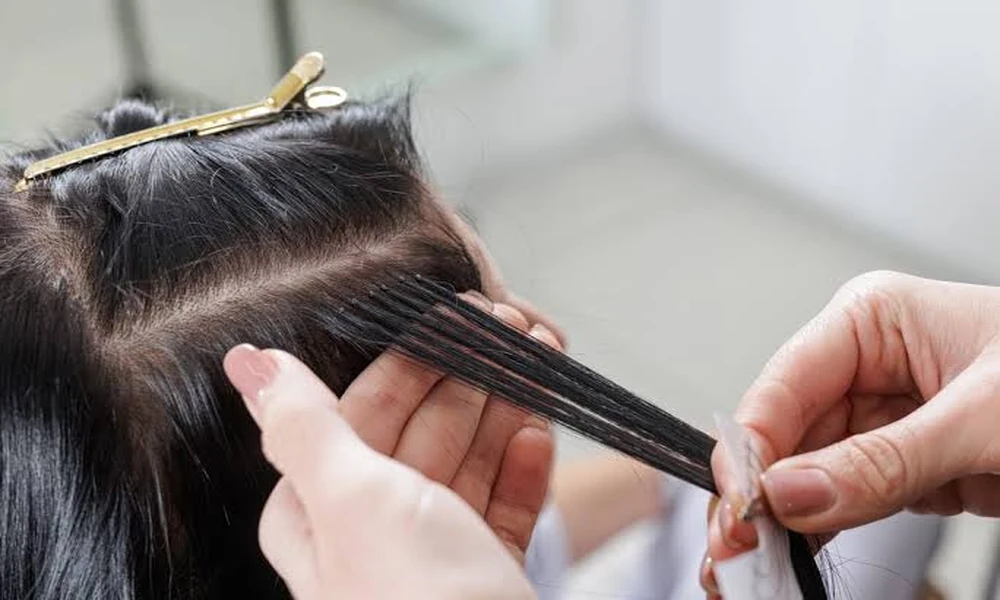
Women comparing hair replacement in Mississauga or Toronto should first choose a wearing model: integrated hair added to existing hair, a bonded or custom system, or a removable wig. Each option changes scalp access, maintenance travel, security, styling, cost, and privacy. The correct model is the one whose upkeep fits ordinary life.
Decide whether the hair stays on or comes off
Removable wigs provide control over when the piece is worn and can make scalp cleansing and medical access straightforward. Integrated or bonded systems may feel more continuous during sleep, exercise, and daily activity, but they bring scheduled maintenance and attachment questions. A topper or partial piece can cover a specific area when enough suitable bio hair remains to support the method.
The Truly You women’s hair-replacement program describes adding hair to thinning or missing areas rather than covering the entire head with a wig. Its process includes consultation, analysis, ordering, treatment, and ongoing service. Ask which wearing model applies to the proposed system, how it attaches, and what “all-inclusive” covers in the written quote.
Do not choose permanence from emotion alone. A wearer may value waking up with hair and swimming in the system; another may value removing the piece at home. Neither preference is more authentic. The decision should include scalp condition, bio-hair strength, dexterity, sensory needs, work, exercise, travel, and the ability to attend maintenance.
Map coverage before discussing length and colour
Mark the areas that need coverage: part, crown, front, temples, diffuse top, or entire scalp. Then distinguish current loss from areas that may change. The base size and attachment method should reflect the map. Adding excessive hair to solve a small zone can increase weight, heat, cost, and maintenance.
Ask how the system accommodates progression or regrowth. Can density be adjusted? Can the base be altered? Does attachment rely on hair that is already fragile? Will a medical provider need regular access to the scalp? A system fitted to today’s photograph without a change plan may become uncomfortable or visually mismatched.
Density deserves zoned discussion. A natural front may need less density than the crown. Texture and movement should relate to the wearer’s existing hair and styling habits. The result should still look credible after washing, wind, and several hours of wear-not only after a professional finish.
Maintenance travel is part of a GTA fitting
Ask how often maintenance occurs and how long each visit takes. Include travel from Toronto, Mississauga, Brampton, Oakville, or elsewhere in the region, plus parking, transit, work leave, and weather. A monthly trip that looks minor on a map can become the defining cost of the system.
Clarify what happens between appointments. Is there an emergency contact for lifting, discomfort, matting, or a damaged base? Which washing and drying tasks happen at home? Can another qualified provider perform maintenance during travel? Request the process for illness, hospitalization, or a period when the system cannot be worn.
Price a full year: initial piece, fitting, cut, colour, attachment, routine service, removal, repairs, products, travel, and replacement. Ask whether maintenance is prepaid, whether unused appointments expire, and what happens if the wearer changes methods. A quote should make the ownership model visible.
If medical or workplace benefits might apply, request an itemized receipt and the product or service description before purchase. Do not assume eligibility, reimbursement, or tax treatment from a salesperson’s general statement. The wearer or plan administrator should confirm documentation requirements directly, especially before custom work becomes non-refundable.
Run the schedule through busy seasons. Summer travel, winter weather, caregiving, shift work, religious observance, and extended trips can all affect maintenance access. Ask what a safe delay looks like and which warning signs mean the system should be serviced or removed sooner.
Keep a removable option in the comparison
A removable human-hair wig can offer styling flexibility and broad coverage without attachment to bio hair. The Truly You human-hair wig options discuss lace-front and hand-tied monofilament features within the collection. Confirm the construction, processing, colour possibilities, and maintenance of the exact model.
Compare a wig and integrated system on the same criteria: morning time, sleep, exercise, showering, scalp access, heat, security, travel, professional service, and cost. Try each for movement and sensory comfort where possible. A person who dislikes daily application may prefer integration; someone who needs breaks from contact or wants multiple styles may prefer removable pieces.
Privacy also works differently. Maintenance appointments may require disclosure to work or family because of scheduling, while daily wig removal requires a private storage and care routine. Ask what feels manageable rather than assuming one option is more discreet.
A local fitting should leave room to change course
Request a cooling-off period before irreversible customization or a large deposit. Read return, remake, cancellation, and warranty terms. Ask what happens if the cap or system causes pain, the colour approval differs from the final result, or medical treatment changes the scalp.
Check credentials and roles. A hair-replacement specialist addresses cosmetic fit and maintenance; unexplained loss, pain, inflammation, or scarring concerns belong with a physician or dermatologist. A trichologist may help organize scalp and routine questions while preserving medical referral boundaries.
The useful choice is the maintenance calendar that feels ordinary after the excitement of the fitting fades. Whether the wearer chooses integrated replacement, a partial piece, or a removable wig, the system should protect comfort, scalp access, finances, and the freedom to reconsider.