
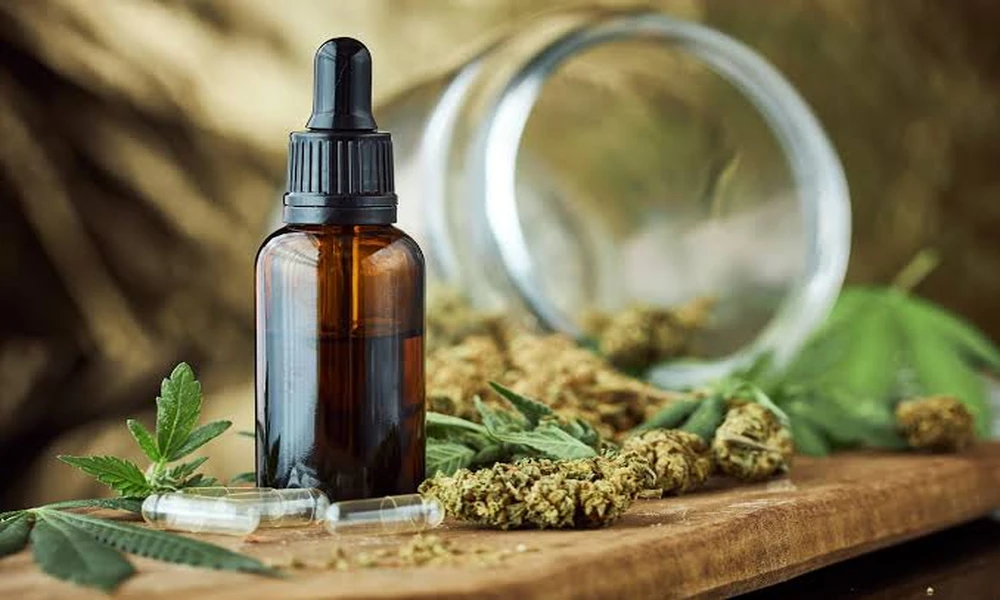
Small buds get overlooked in favour of larger formations at the display level. Exhale Wellness Bubba Kush THCA flower is available in small bud format without the premium pricing that larger buds carry in most retail contexts. The size difference between small and large buds reflects physical formation during cultivation. It does not reflect cannabinoid content, terpene profile, or how the flower performs in a session.
What small buds actually are?
Small buds form on lower and interior branches of the hemp plant. Light penetration decreases further from the canopy. Buds forming in lower light develop smaller structures than those at the top. The same plant produces both. Cannabinoid synthesis occurs across the full plant rather than exclusively at the canopy level. The THCA concentration in small buds from a quality cultivar matches the THCA concentration in canopy buds of the same plant within a narrow margin when COA testing is performed. A smaller bud from a strain will have a higher density when compared to a larger bud from the same strain. As a result of the smaller size, small buds from indica dominant strains like Bubba Kush tend to have a tighter structure than their larger counterparts. There is no need to magnify small buds with well-developed trichomes to see the level of trichome coverage. Regardless of the size of the formation, cannabinoid and terpene content are measured by that coverage.
Price difference and what drives it?
Retail pricing on flowers reflects several factors beyond cannabinoid content.
- Larger buds require more careful handling during trimming and packaging to preserve structure.
- Visual presentation commands a price premium in retail contexts independent of potency figures.
- Small buds from the same harvest and cultivar carry lower price points for the same dried weight.
- Buyers prioritising session performance over visual presentation access the same cannabinoid profile at a lower cost per gram.
Grinding removes the size difference
Small buds and large buds of the same strain can be ground for consumption in the same manner, resulting in identical edible material. At the grinder, it is impossible to distinguish between sizes anymore. A grinder’s type and rotation determine the particle size after grinding rather than the size of the buds at the start of the grinding process. When compared to larger flower formations, a two-piece metal grinder produces consistent particle size from small buds without the need for additional effort compared to a four-piece metal grinder. A buyer who grinds before every session does not gain anything from a large bud presentation, as they do not receive any benefits from the premium. No matter how the pre-ground buds looked before they were ground, the session is to begin with ground material. A small bud format provides the user with the full cannabinoid profile and terpene profile of a cultivar at a price that reflects trimming and packaging economics rather than quality considerations when it comes to the product.
Small bud purchases are equally subject to COA verification in the same way as large bud purchases. Testing of small batches of buds by third-parties confirms that cannabinoids are present in the product regardless of how it is visually presented. A passing COA on a small bud product confirms that the product meets the same quality standard as a premium large bud product from the same manufacturer.